
A Guide to Concrete Pool Design & Maintenance
Many homeowners in Southern Ontario imagine having a stunning backyard pool but feel overwhelmed by the decisions involved. You might be unsure which pool type is best, when to start the project, or what surprises could arise during construction. This uncertainty can turn the idea of owning a pool into a source of stress. Concerns about picking the wrong type of pool or running into delays and extra costs can make anyone hesitant to move forward.
It's frustrating to think you might invest time and money only to be disappointed later. Without clear information, you could worry about costly mistakes, such as starting construction at the wrong time of year or choosing a pool type that doesn’t fit your needs. The good news is that with the right guidance, these fears can be put to rest.
In this guide, we’ll walk you through the essentials of concrete pools. You’ll learn why concrete pools are a popular choice, how they stack up against other in-ground pool types, seasonal maintenance, and what to expect. Armed with this knowledge, you can move forward confidently toward making your ideal pool a reality.
What Makes Concrete Pools a Popular Choice for Homeowners?
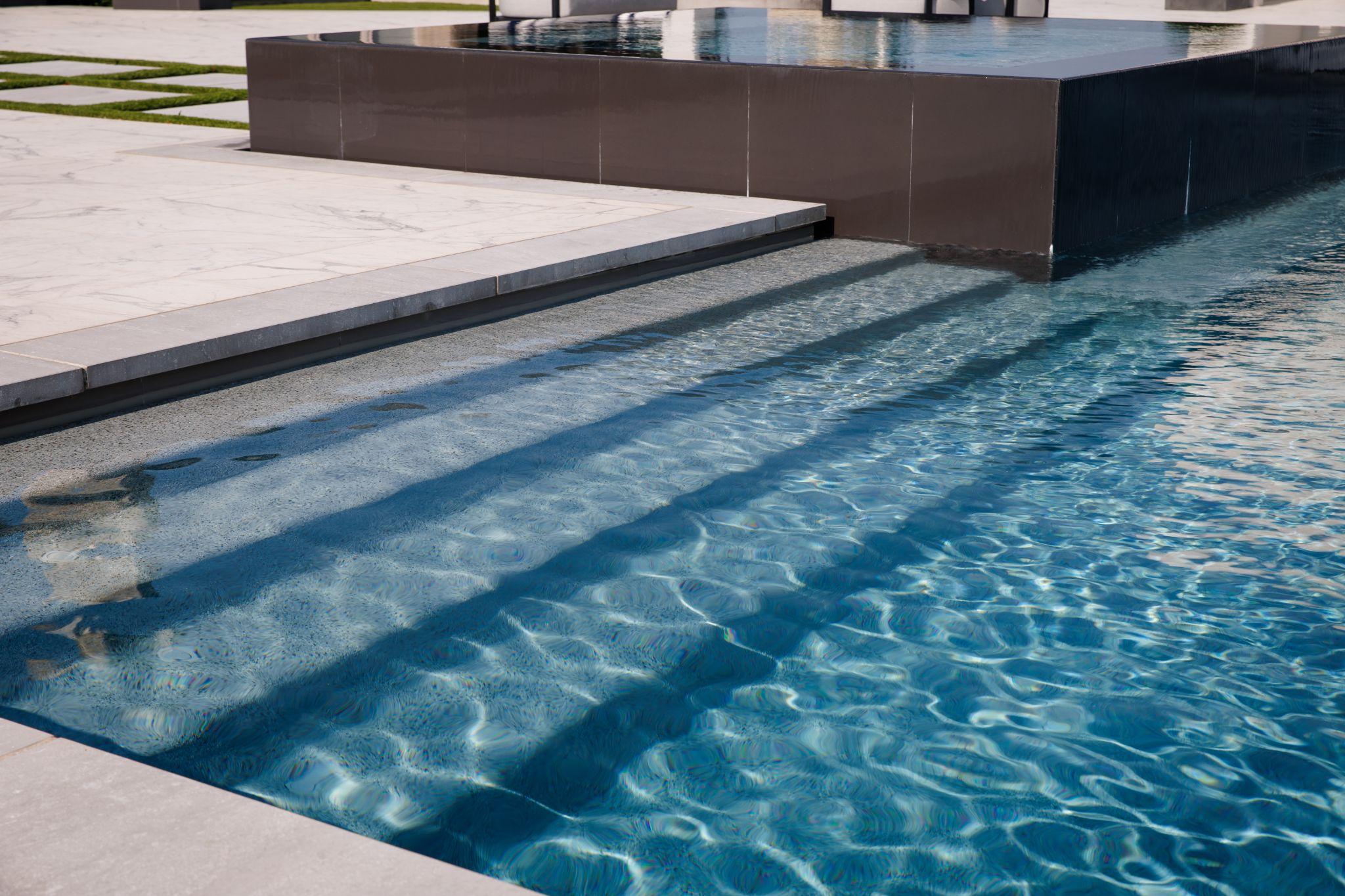
Concrete pools have long been a favourite among discerning homeowners looking for a lasting, custom backyard oasis. Unlike pre-fabricated options, a concrete pool is built on-site to fit your exact vision. This means you can tailor every aspect of the pool, from its shape and size to special features like steps, ledges, or attached spas, to suit your preferences and property. Many people also appreciate the solid, high-quality feel of concrete pools.
Durability for Decades: Concrete pools are known for their exceptional strength and longevity. With proper care, a well-built concrete pool can last for generations. The sturdy construction stands up to heavy use and various weather conditions, providing peace of mind that your investment will endure.
Unlimited Design Options: When it comes to creativity, concrete pools shine. Whether you want a sleek modern design or a freeform shape that blends with nature, concrete lets you achieve it. You have the freedom to choose unique features like waterfalls, tanning ledges, or custom steps. The interior finish is also up to you: plaster, tile, pebble, or even artistic mosaics can be used to achieve the look you want.
High-End Aesthetics: Concrete pools often have a luxurious appearance that enhances your entire backyard. They can be integrated with stone patios and landscaping. Because they’re custom-built, concrete pools can incorporate infinity edges, integrated hot tubs, beach entries, and other resort-style elements that make your pool area feel like a private getaway.
Increased Home Value: A thoughtfully designed concrete pool can boost your property’s value. Home buyers tend to view concrete pools as a premium feature due to their durability and design appeal. While the upfront cost is higher than some other pool types, homeowners often find that the benefits in enjoyment and added home equity make it worthwhile.
Seasonal Maintenance Tips for Concrete Pools
Concrete pools, also known as gunite or shotcrete pools, love consistency especially through Ontario’s freeze-thaw swings. Use this quick, seasonal plan to keep plaster healthy, equipment happy, and water crystal-clear.
Spring: Open and refresh your pool as soon as tempatures are consistently above freezing by removing and cleaning the cover, then:
- Inspect shell, tile, coping, and the expansion joint; reseal deteriorated mastic to prevent freeze-thaw damage.
- Reinstall fittings, fill to mid-skimmer, prime the pump, and check for leaks. Backwash and clean filters.
- Brush the entire pool regularily. Vacuum to waste if there’s heavy debris.
- Balance water pH.
- Test heater start-up and verify GFCI outlets.
Summer: Get into a weekly maintenance rhythm as warm water speeds up scale and algae, stay ahead of it.
- Brush walls/steps weekly because concrete is porous and benefits from consistent brushing.
- Skim daily in leaf-heavy yards; empty skimmer and pump baskets.
- Run the pump long enough to turn the water over at least once per day.
- Watch for scale at the waterline and on tile; spot-treat early.
- Rinse or clean filters as pressure rises.
Fall: Closing your pool on balanced, clean water makes spring easy.
- Net leaves frequently because organic debris can stain plaster.
- Do a thorough brush/vacuum, then balance to closing targets.
- Shock before closing; add a non-copper winter algaecide if desired.
- Lower water below the lowest return. Blow out lines (skimmer, returns, main drain) and add pool-grade antifreeze as needed; install winter plugs and a skimmer gizmo.
- Clean and store ladders, rails, cleaner, and accessories. Deep-clean or backwash the filter.
- Inspect/replace cover hardware; add a leaf net if trees are nearby.
Winter: Safegaurd and monitor your pool throughout the winter.
- Check the cover monthly. Pump off standing water on solid covers and tighten safety covers as needed.
- Verify water level hasn’t dropped excessively. Do not break ice on the surface.
- Inspect coping, deck, and expansion joint after thaws. If you see cracks schedule any needed coping repairs for spring.
- Keep equipment pad dry and protected; confirm power is off to the pump and heater unless manufacturer says otherwise.
Quick “Any-Season” Habits:
- Keep a simple log (date, test results, doses, filter pressure). It speeds troubleshooting.
- Use manufacturer ranges for brand-specific gear (salt cells, heaters, specialty filters).
- Address small plaster/tile issues early to prevent bigger repairs.
Follow this cycle and your concrete pool will ride out Ontario’s seasons with fewer surprises and look great when swimming weather returns. Proper maintenance will protect and extend the life of your pool. Call a pool maintenance professional if you need any support.
How Do Concrete In-Ground Pools Compare to Other Pool Types?

When evaluating in-ground pool options, it’s helpful to see how concrete pools stack up against other common types like vinyl-liner and fibreglass pools. Each type of pool brings its own advantages and considerations, so understanding the differences will help you make the best choice for your home.
·Vinyl Pools: Vinyl-lined pools are typically the most budget-friendly to install. They have a relatively quick installation time (often just a few weeks). However, the vinyl liner usually needs replacing every 7 to 10 years and can be susceptible to tears or punctures from sharp objects or pets. Vinyl pools come in a range of shapes, but since they use pre-engineered kits, you can’t achieve the fully custom designs possible with concrete.
Fibreglass Pools: Fibreglass pools are pre-formed shells installed in one piece. The main advantages are a quick installation (sometimes a few weeks) and low maintenance. The slick, non-porous surface resists algae growth and is easy to clean. However, fibreglass pools are limited in size and shape since you choose from factory molds. There is less design flexibility compared to concrete, but many homeowners find the faster install and easier upkeep to be a worthwhile trade-off.
Concrete Pools: Concrete pools are the most durable and customizable option. They can be constructed to any shape, size, or depth, giving you complete freedom in design. The steel-reinforced concrete structure lasts for decades and can include features like spa spillovers, tanning ledges, or infinity edges. Concrete also takes the longest to build (often several months) and has the highest upfront cost. It requires regular maintenance: for example, brushing the walls to prevent algae and resurfacing every 10 to 15 years to keep the finish looking its best. In return, you get a one-of-a-kind luxury pool that can significantly boost your property’s value.
What Should You Know About Concrete Pool Maintenance & Service?
Embarking on a concrete pool ownership journey is exciting, but a smart maintenance and service plan is key. Before the first swim (and every season after), keep the following points in mind:
- Maintenance Rhythm and Lifespan: Concrete pools thrive on consistency. Plan a weekly routine (brush, test/balance, skim, empty baskets), monitor filter pressure and clean/backwash as needed, and target balanced water (including calcium hardness) to protect plaster. In cold climates, professional winterization and a clean, balanced closing make spring openings easier. Address small leaks, grout/mastic cracks, or early stains quickly to prevent costly repairs. With steady care and periodic resurfacing, a concrete pool can perform beautifully for decades.
- Budget and Service Timeline: Ongoing care is a real, predictable cost. Build a budget for weekly/bi-weekly service or DIY supplies, electricity for pumps/heaters, and routine chemicals. Add seasonal opening/closing, periodic filter media or cartridge replacement, and eventual resurfacing. Ask providers about peak-season lead times so you can book spring openings and fall closings well in advance.
- Design and Equipment Choices (Maintenance Impact): Features affect upkeep. Surface finish, tile, and coping choices influence brushing frequency and how visible scale/staining becomes. Decide on sanitization (traditional chlorine vs. salt), filtration (cartridge/sand/DE), automation, and pump type (variable-speed) with maintenance in mind. Water features, spas, and tanning ledges add beauty—but also add brushing, valve checks, and runtime.
- Service Process and Provider: Choose an experienced, insured service company that regularly works on concrete (gunite/shotcrete) pools. Look for clear service menus, transparent pricing, photo/email reports after each visit, reliable water testing, and stocked common parts. Confirm scheduling, site access (gate codes, pets), and where backwash/waste water will go. During visits, ensure technicians have safe access to the equipment pad and power/water as needed.
Helping You Figure Out What to Expect from Concrete Pools
After exploring all these aspects of concrete pools, you should have a clearer picture of what to expect. Concrete pools offer exceptional customization and durability, making them a rewarding choice if you’re looking for a long-term addition to your home. You’ve learned why many homeowners prefer concrete, how concrete compares to vinyl and fibreglass options, and what to expect from concrete pools. With this knowledge in hand, you can move forward with confidence. We hope you feel fully prepared to plan your concrete pool project with peace of mind.
If you feel ready to take the next step toward building your own concrete pool, don’t hesitate to reach out for expert help. We’re here to answer any remaining questions and guide you through the process from start to finish.
Contact us at Betz Pools to maintain or start planning your concrete pool project today. Our team of experienced professionals has been creating custom pools in Southern Ontario for decades, and we’re excited to help turn your vision into reality. Let us help you enjoy the luxury of a custom concrete pool in your own backyard.